Sanderson Gulch Working Group
Working to ensure this project happens with our community and not to our community
What is the Sanderson Gulch Project?
To accomplish these goals, the current design would substantially reconstruct this section of the gulch.
Project goals include:
Replacing the culverts at Florida and Arkansas Avenues with larger structures.
Lowering and widening portions of the gulch channel to increase stormwater capacity.
Protecting some homes & structures from potential flooding that are within the 100-year floodplain.
Relocating and widening portions of the multi-use trail.
The addition of an underground bike/pedestrian crossing at Florida
Improving/replacing the under-crossing tunnel at Arkansas Avenue.
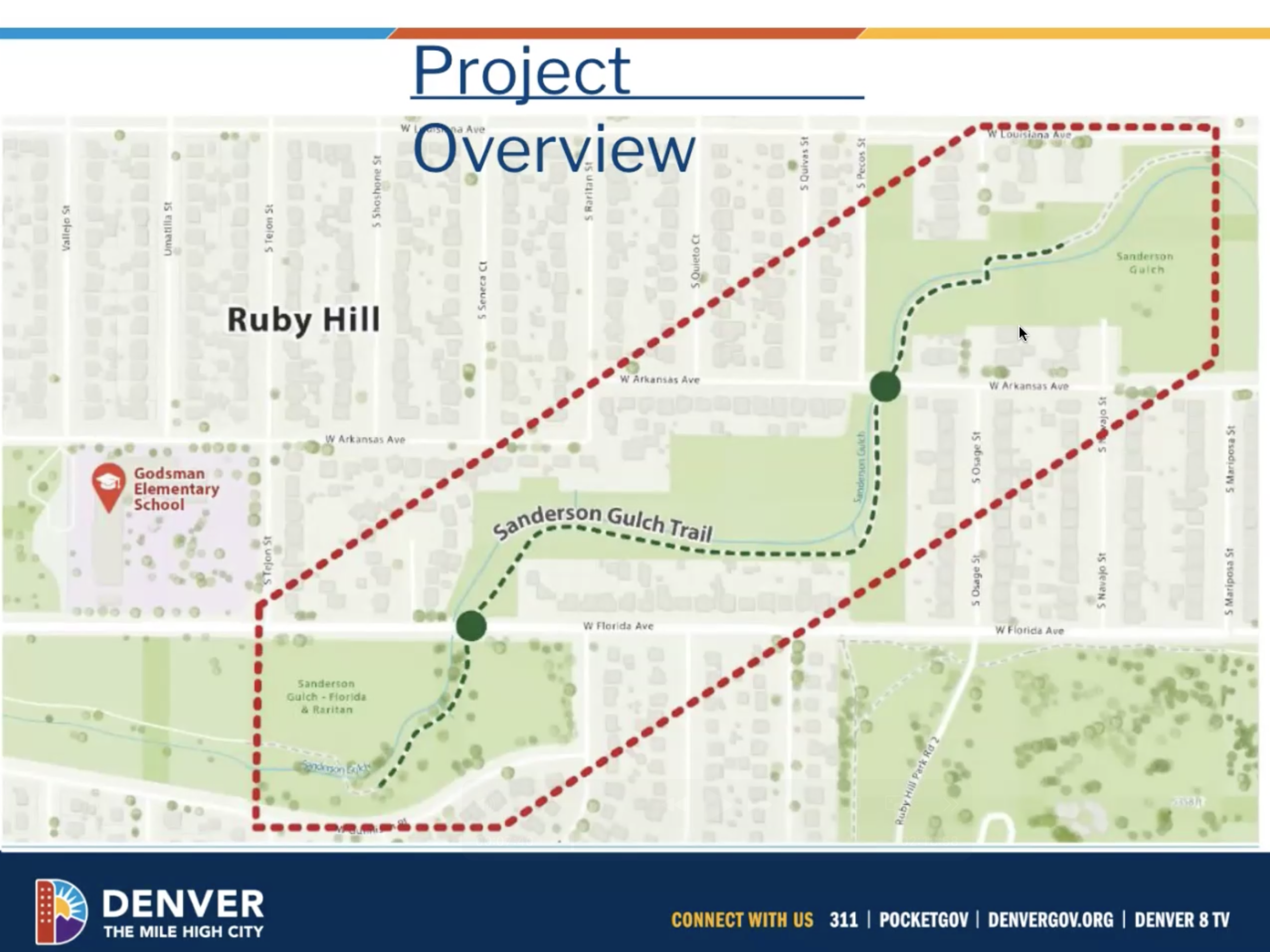
The City of Denver is planning a $20.6 million improvement project along Sanderson Gulch between W. Florida Ave. and W. Arkansas Ave. The project is intended to address flood risk, replace two undersized culverts, improve pedestrian and bicycle connections and safety, and make improvements to the trail, floodplain, and health of the gulch.
Ruby Hill Neighbors September 2026 Meeting Update
On September 15th, representatives from the city and the project team attended the RNO meeting and presented their plans / hosted a Q&A.
Community Concerns
A number of concerns were raised at the RNO meeting, leading to the creation of the Working Group. Some of these concerns include:
Lack of transparency & accountability from the City, including a lack of community engagement and input leading up to this point.
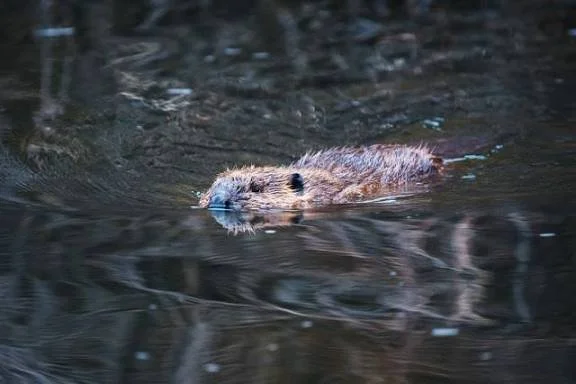
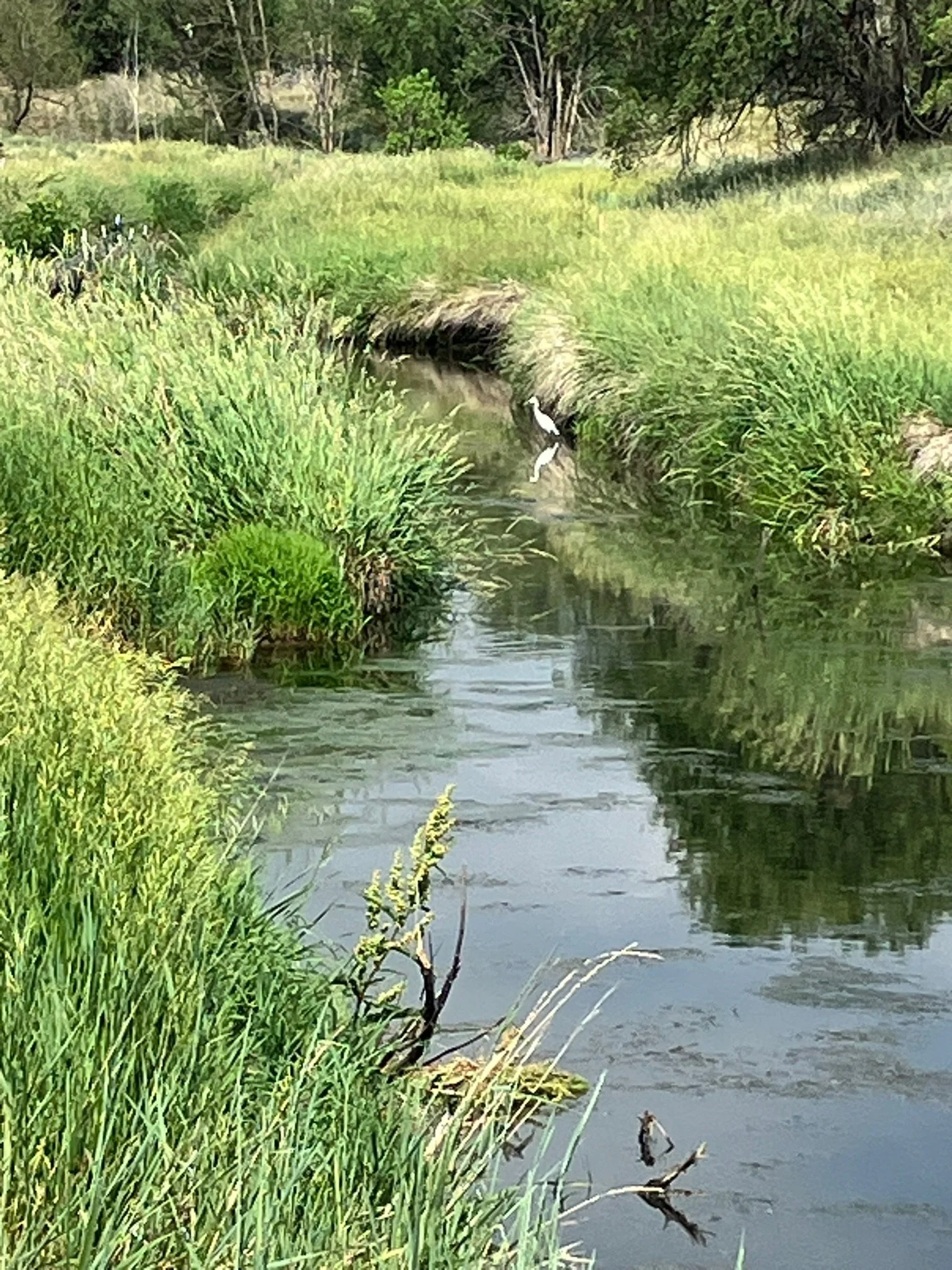
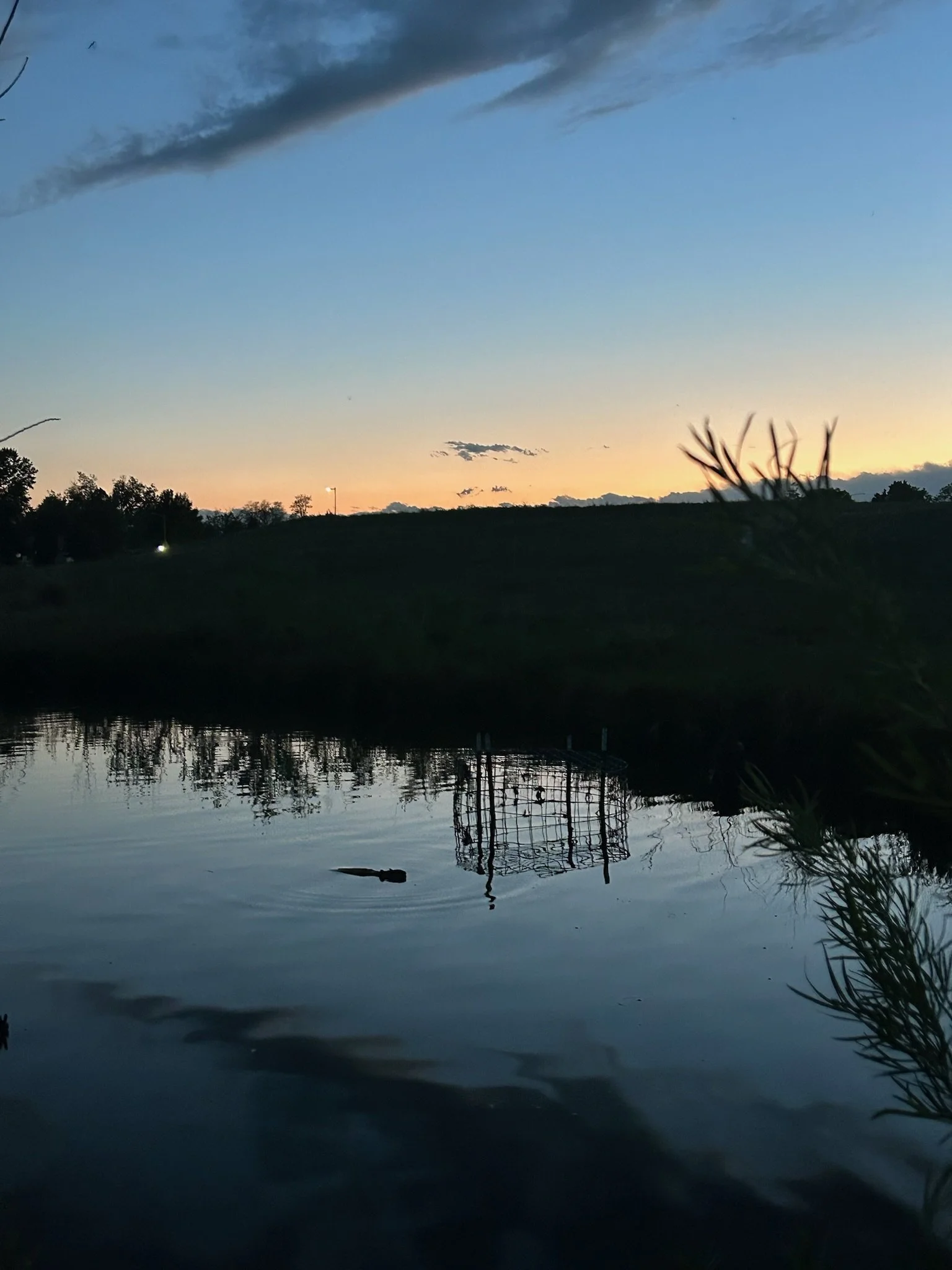
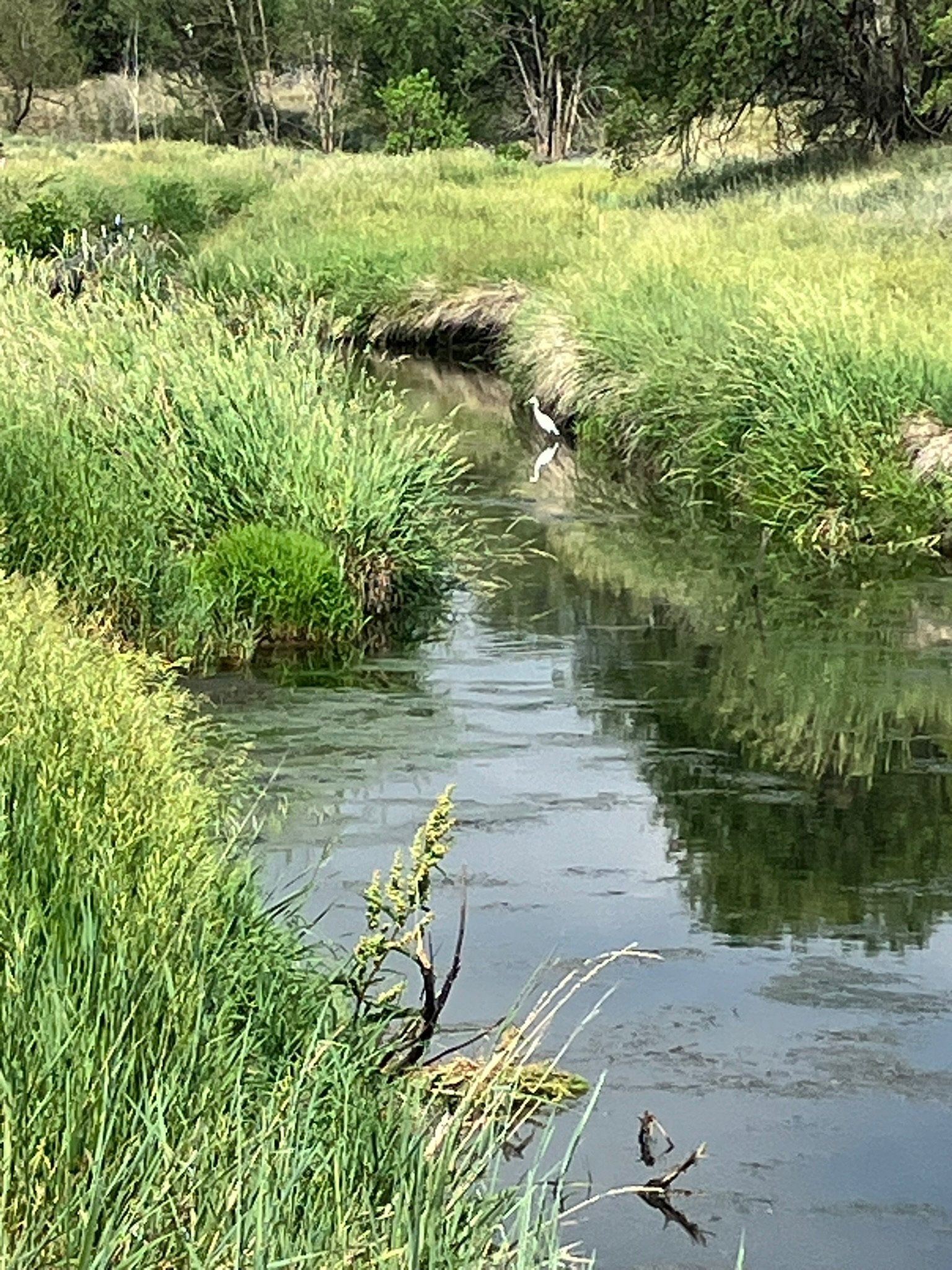
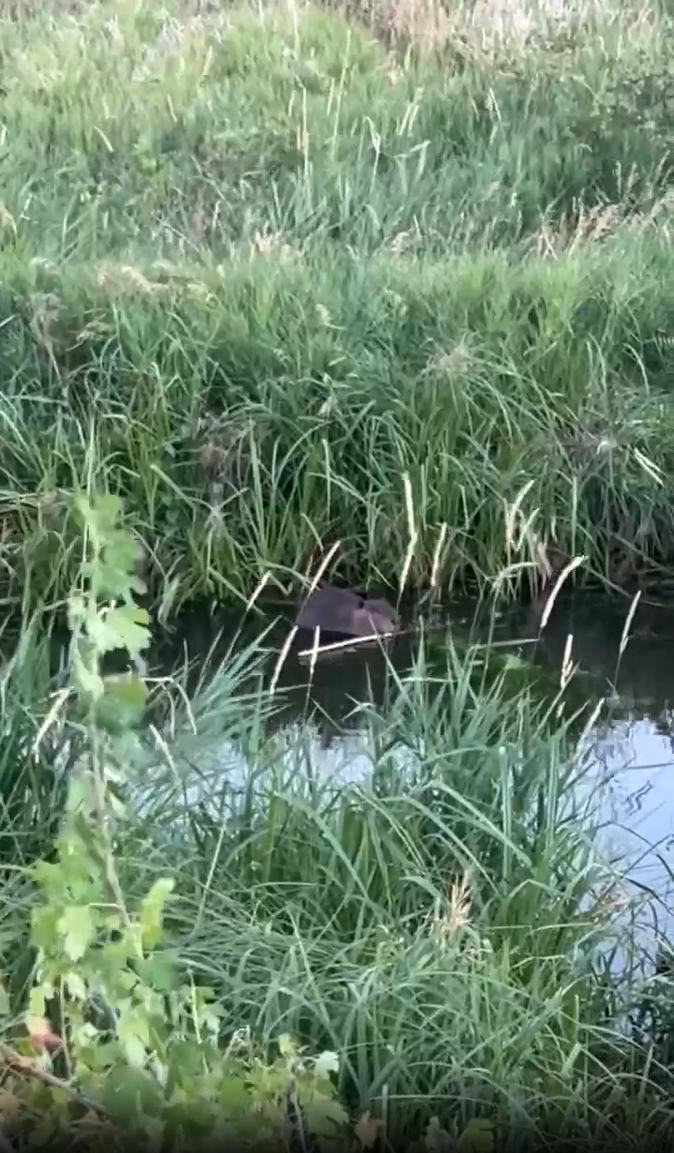
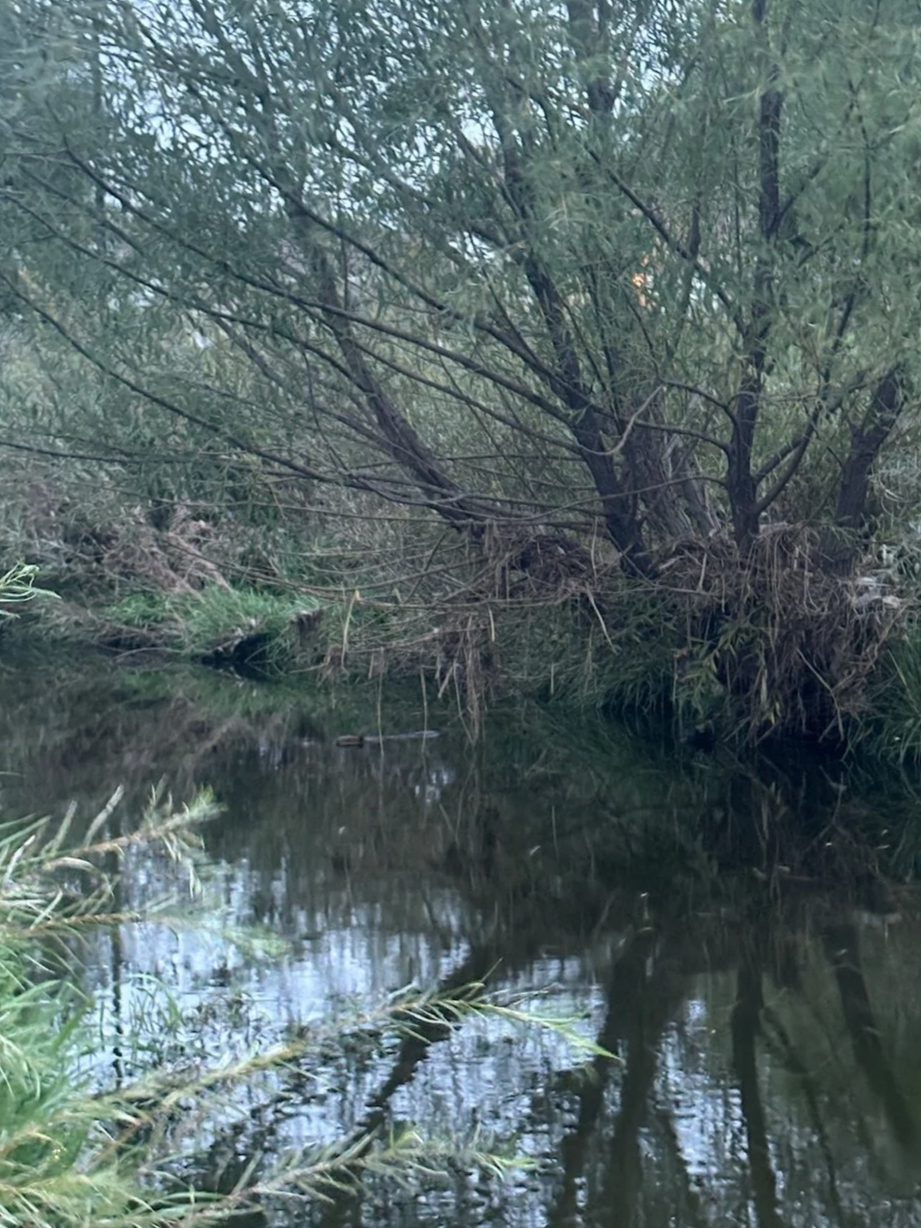
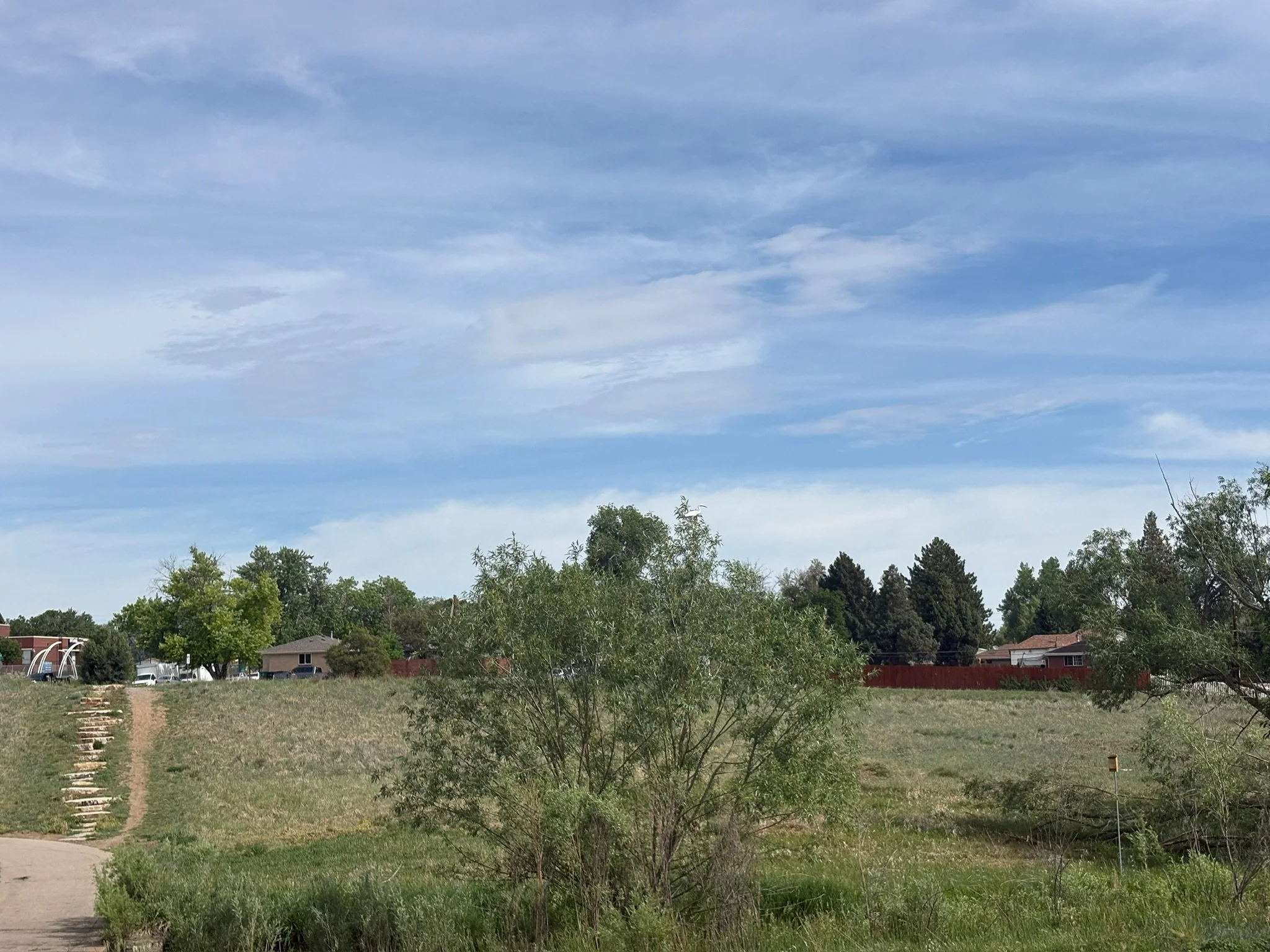
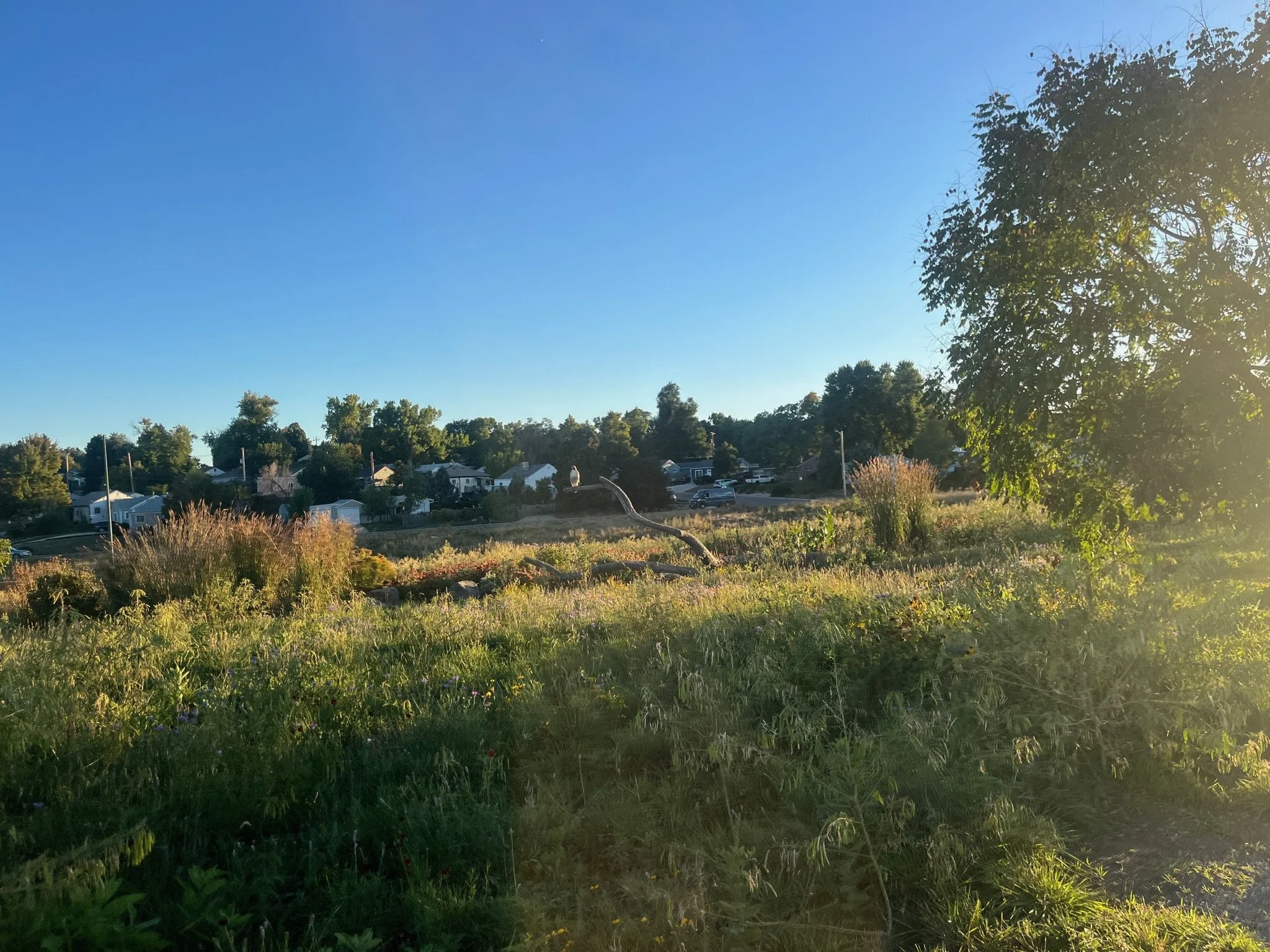
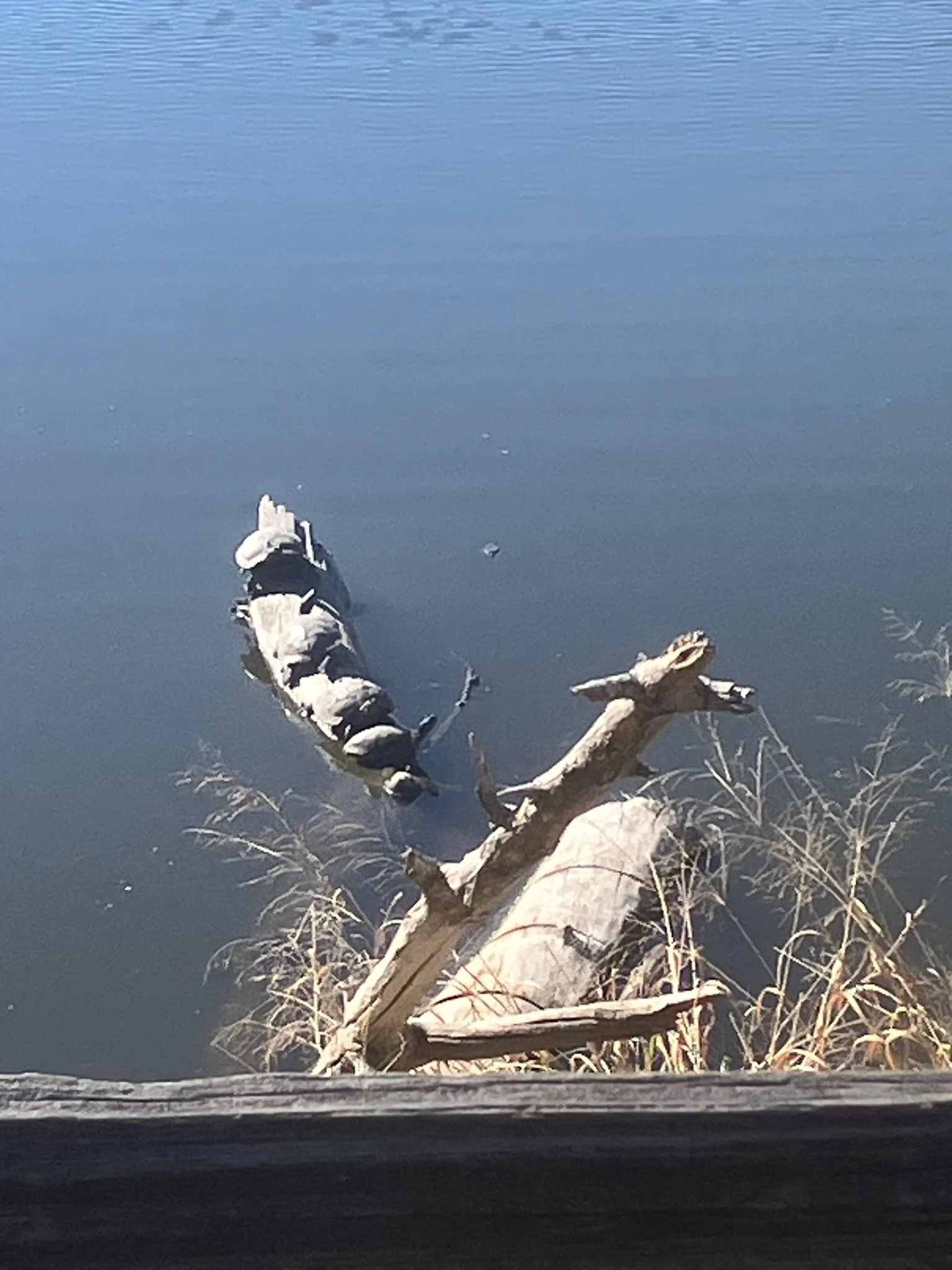
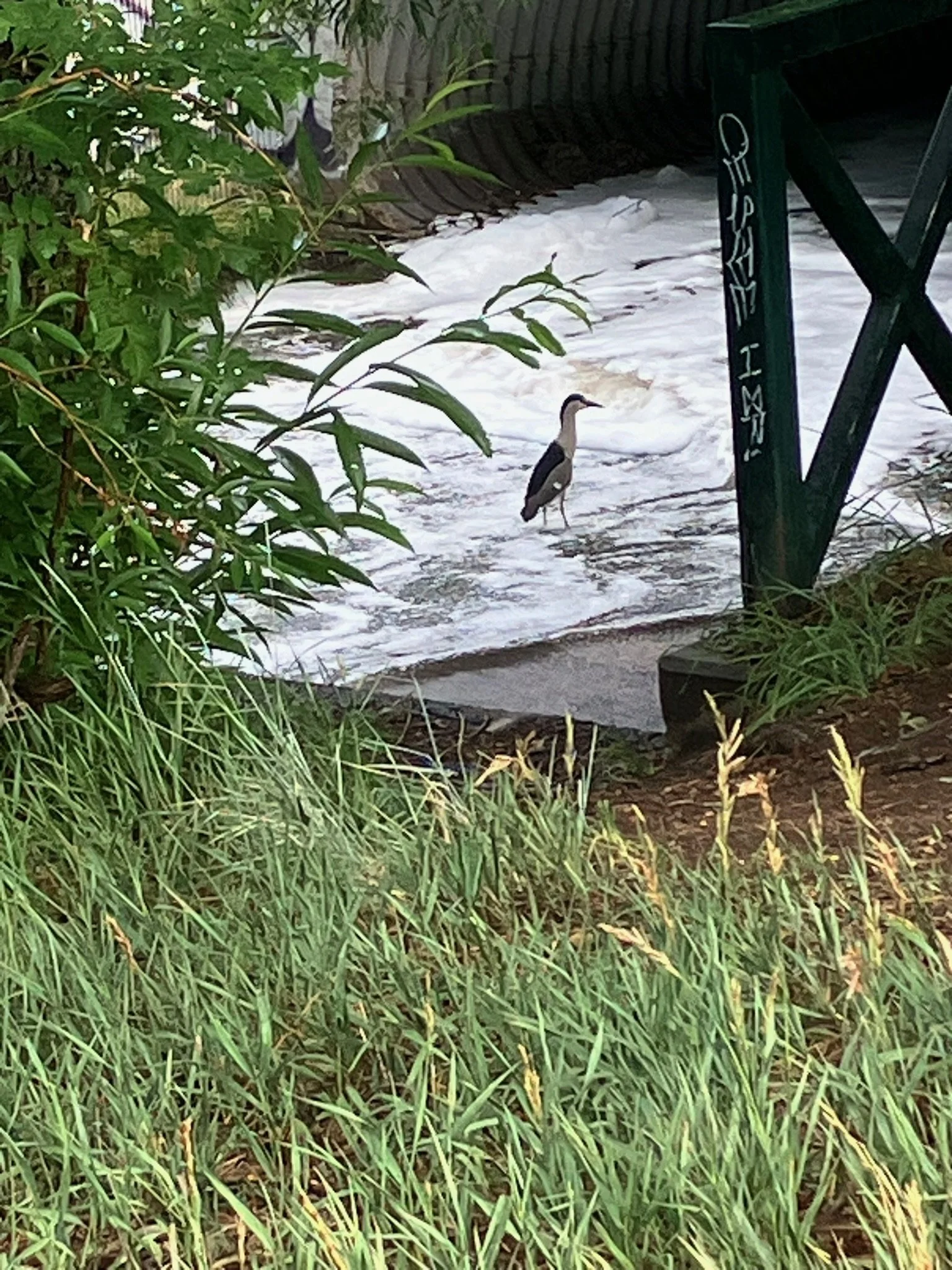
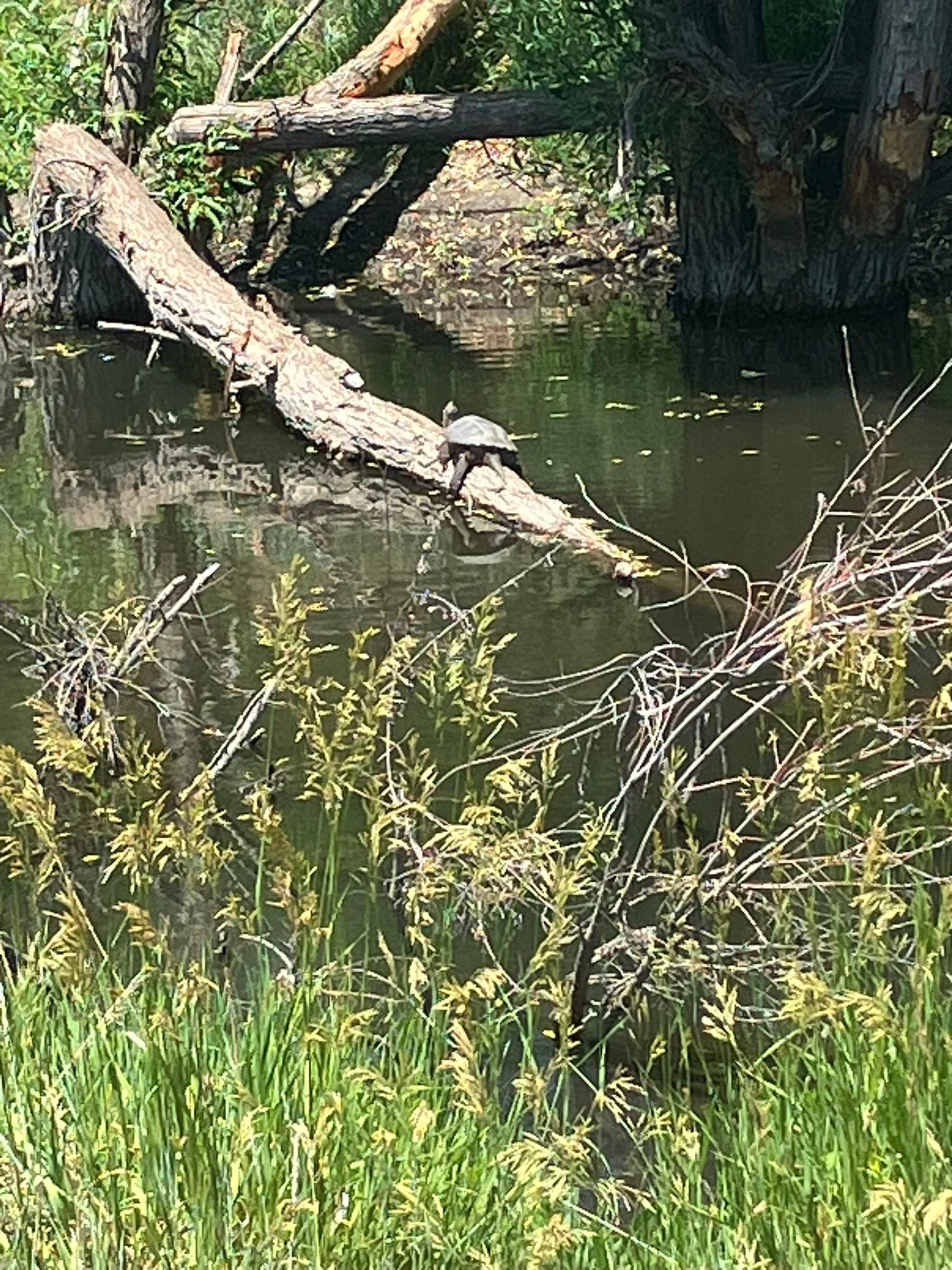
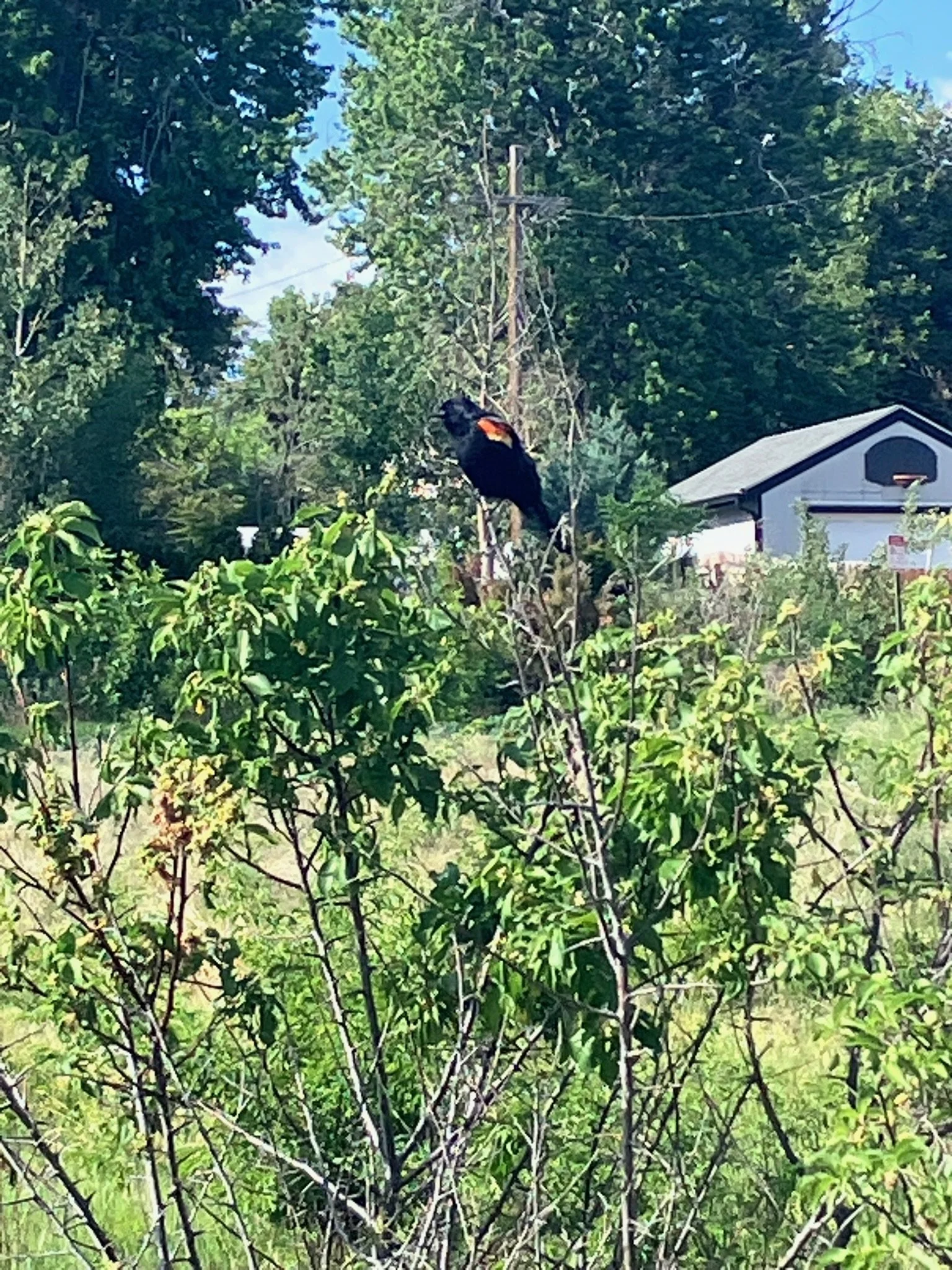
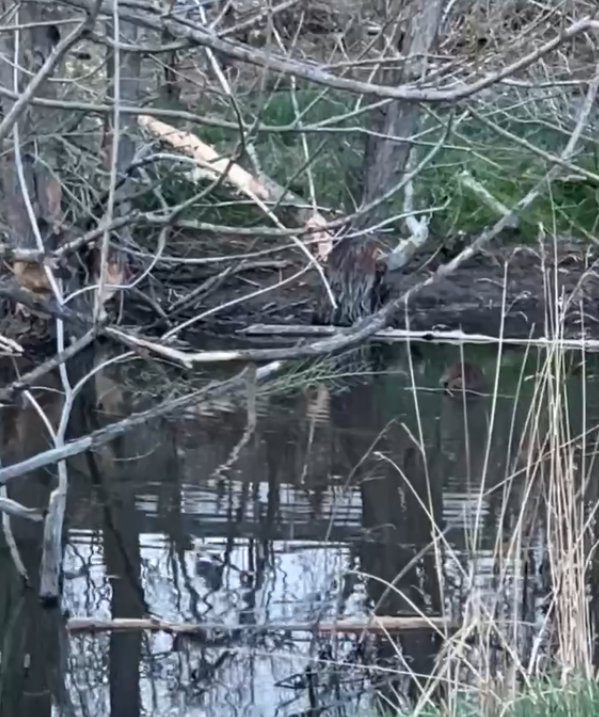
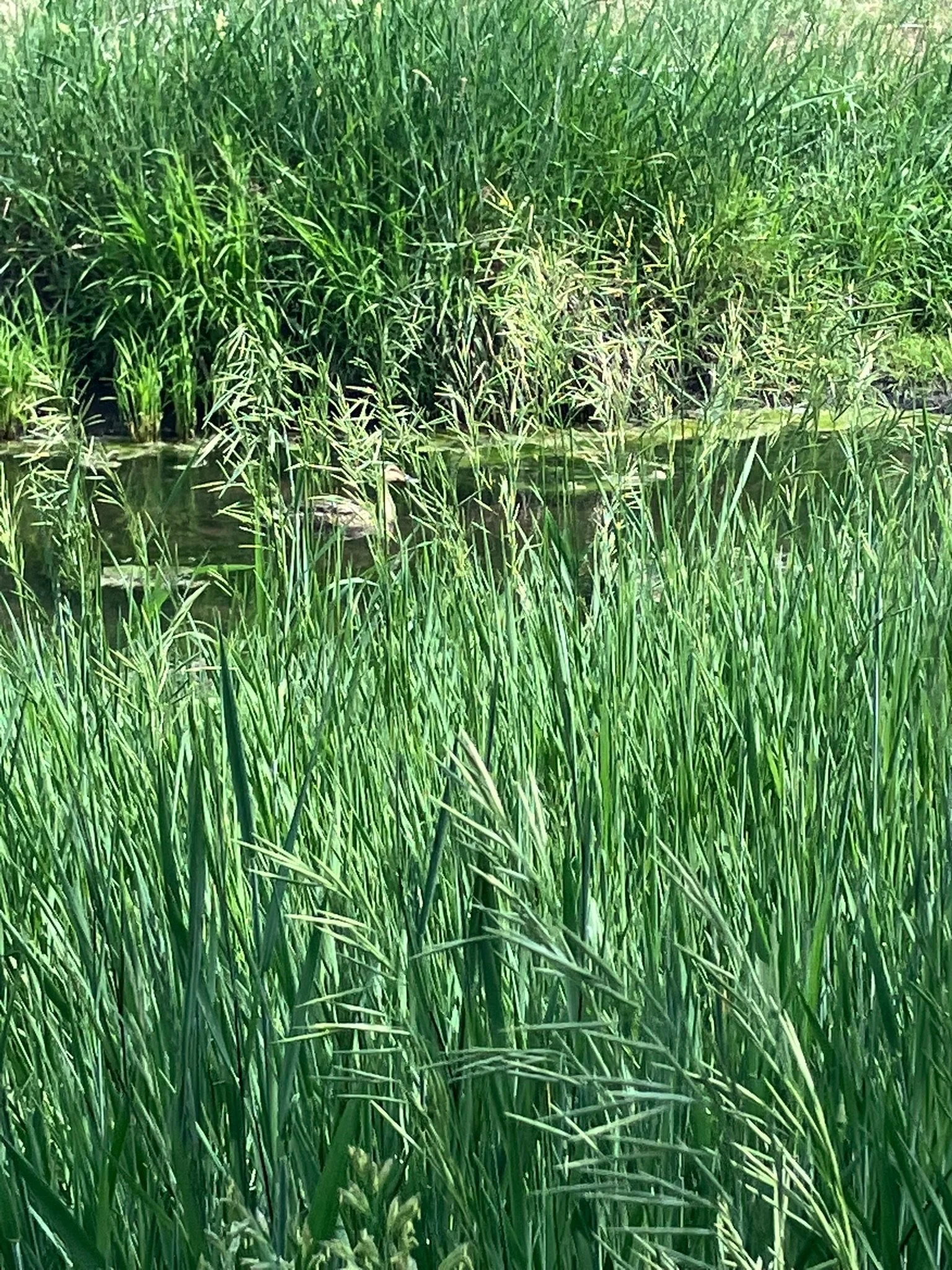
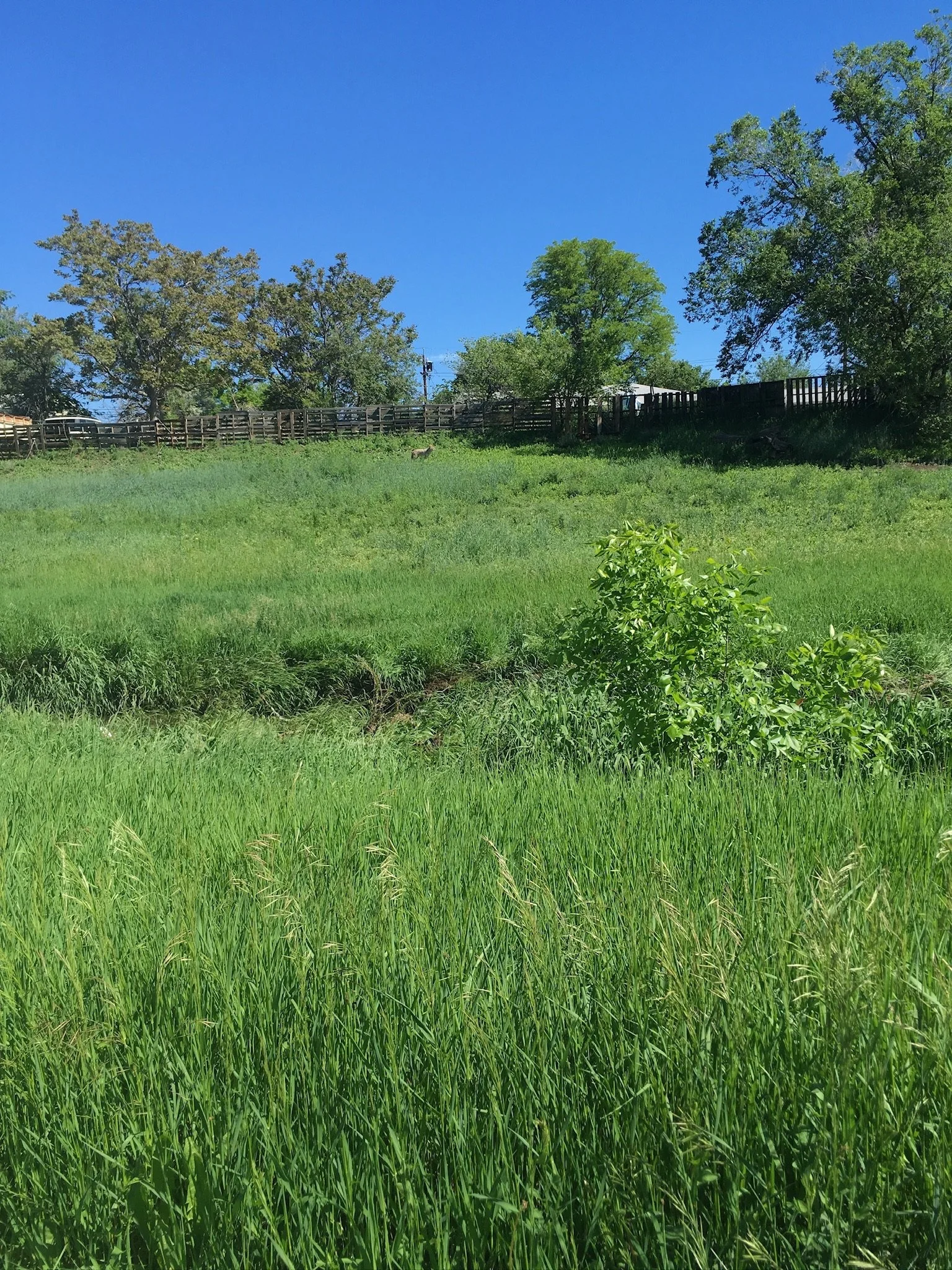
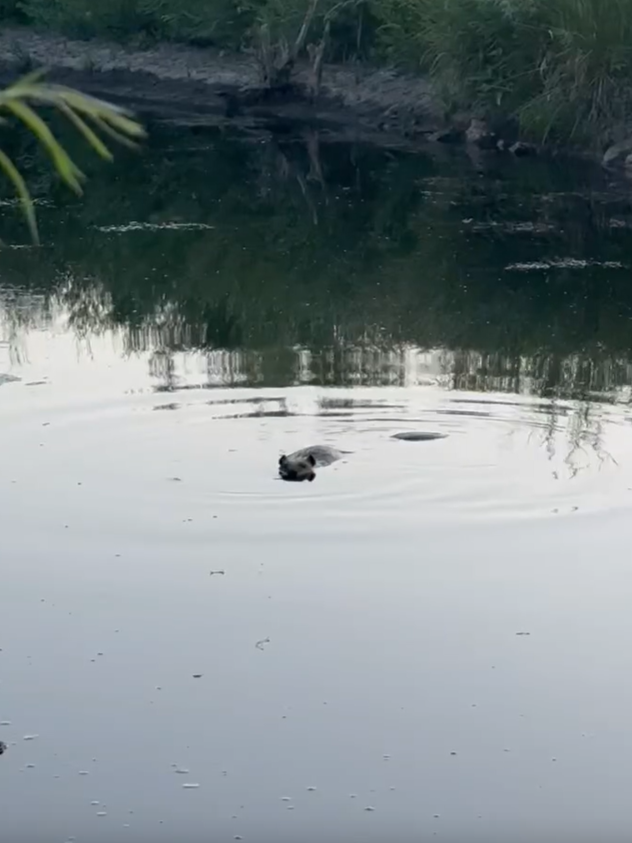
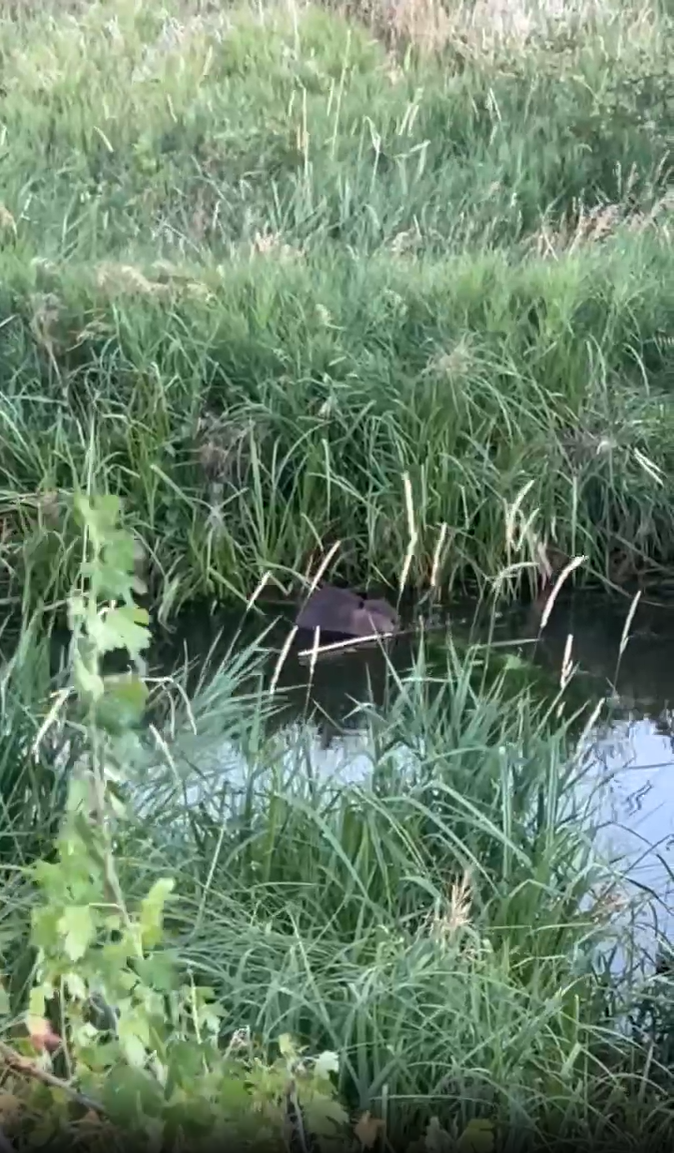
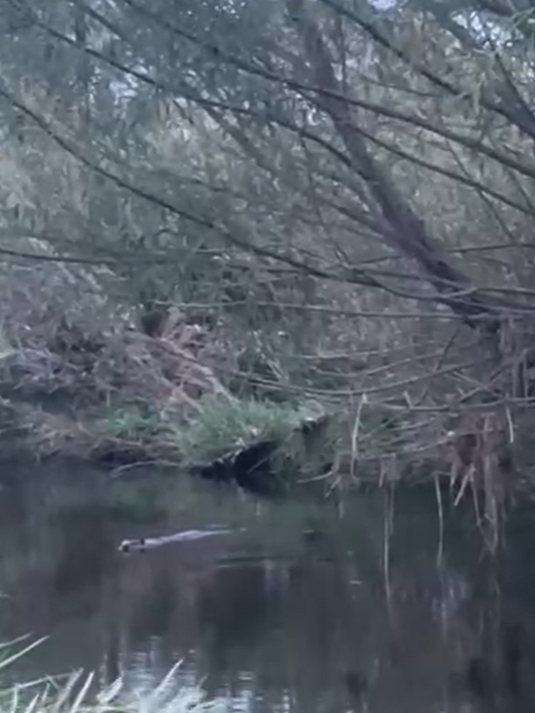
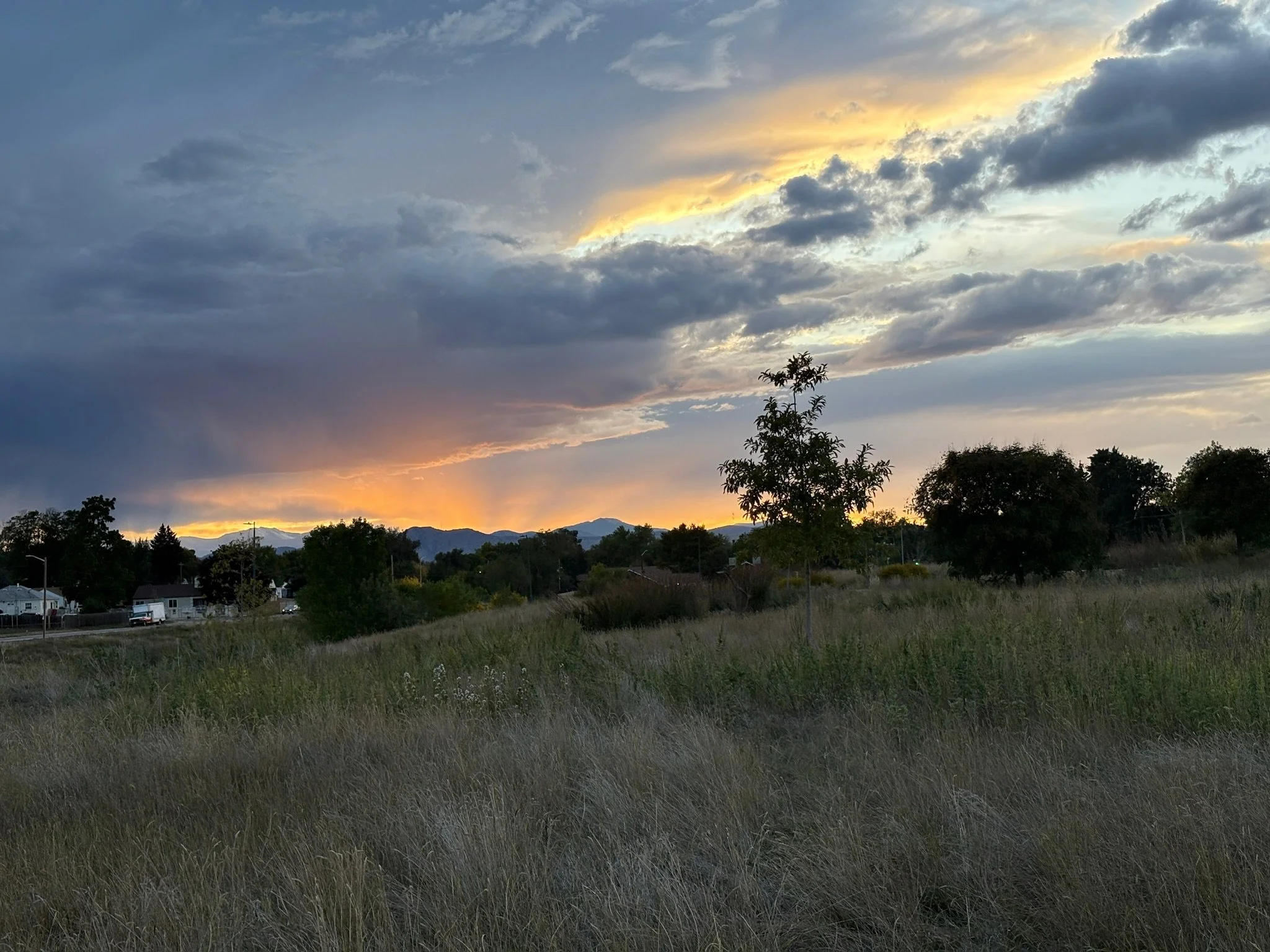
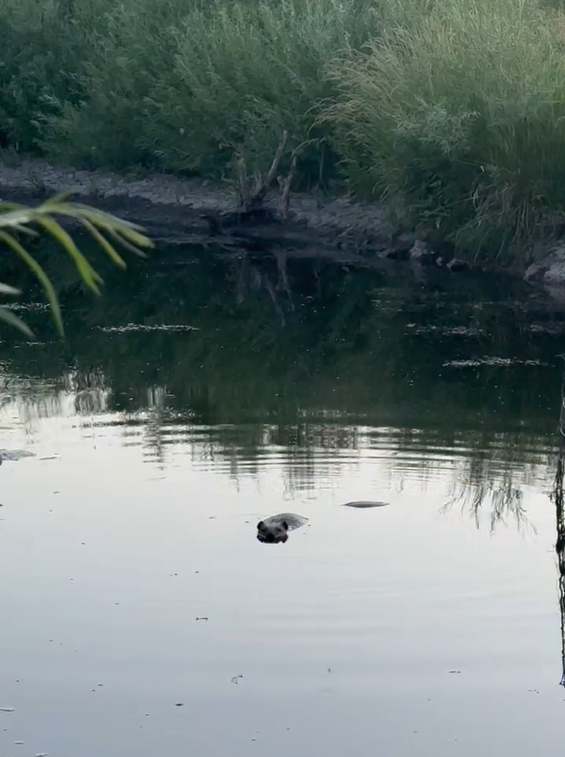
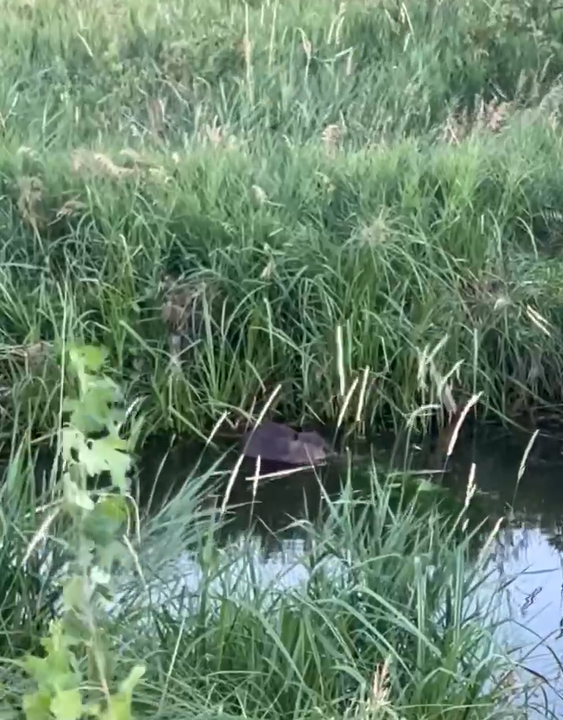
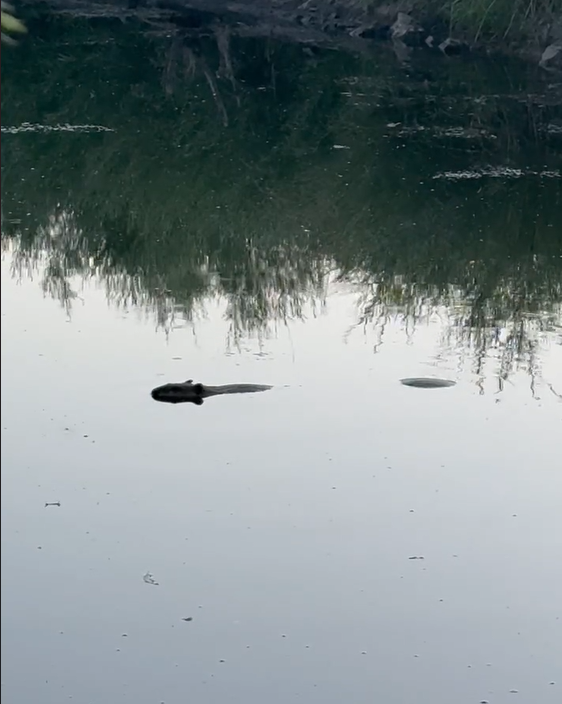
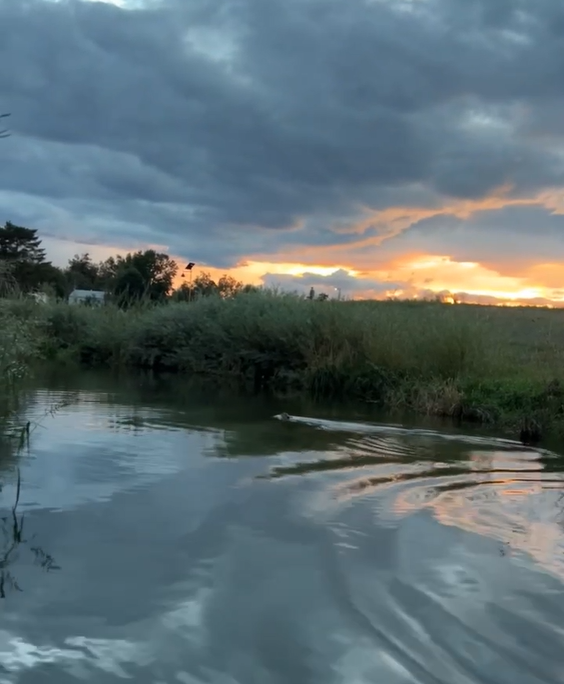
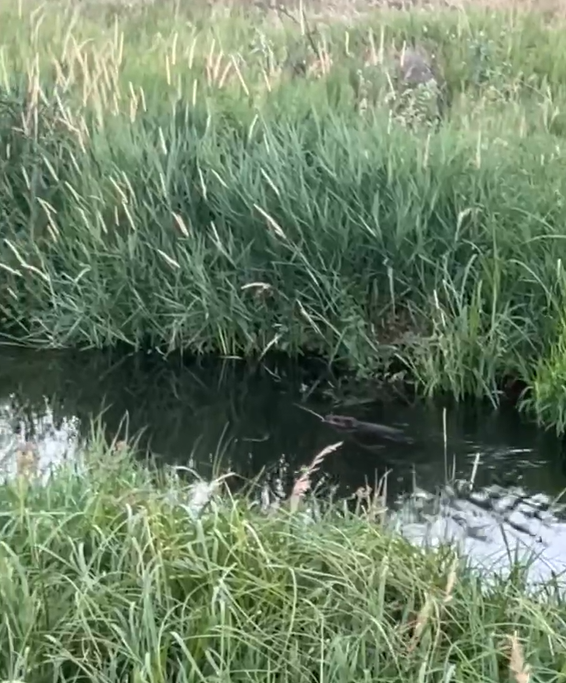
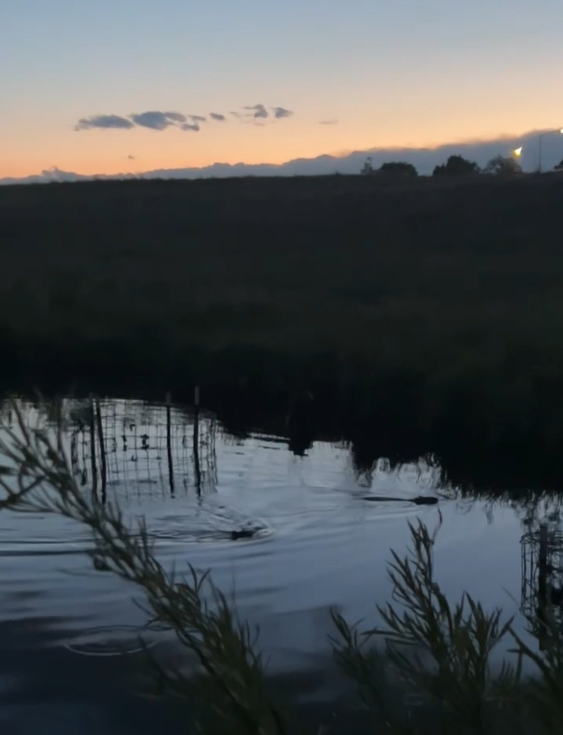
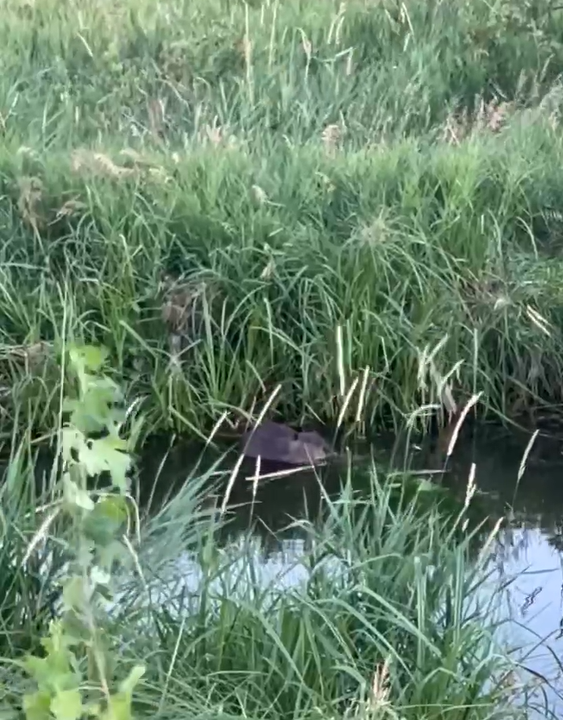
Impacts to the riparian ecosystem. Wildlife will likely be displaced, including the resident beaver colony, birds, turtles, dragonflies and other insects, reptiles and aquatic life. Trees and shrubs throughout the project area would be removed, including cottonwoods, chokecherries and American plums planted by Ruby Hill community members to help restore native habitat along the gulch.
Impacts to traffic flow due to road closures throughout the duration of the project.
Membership Vote
Members of Ruby Hill Neighbors voted to withdraw RHN’s support for the Sanderson Gulch Improvement Project as currently proposed and to form a Working Group that would include neighbors, the city, and ecological advisors.
The decision does not reflect opposition to the goals of the project. We support flood mitigation, improved water quality, pedestrian and bicycle safety, and resilient infrastructure. We are respectfully asking the City to work with us to determine how these goals can be achieved while protecting and incorporating the ecosystem that has developed within the project area.
A letter was submitted to the Mayor’s Office and City Council on September 23rd to inform them of RHN’s position.
About Sanderson Gulch Working Group
Ruby Hill Neighbors has formed a Sanderson Gulch Working Group, and we have invited the City to participate via a letter submitted on September 23rd. We envision a collaborative process bringing together community members, City staff, and trusted ecological and technical partners to understand existing conditions, evaluate the current design, explore alternatives, incorporate community input, and develop recommendations for the City.
Conducting a current ecological assessment of wildlife, habitat, vegetation, wetlands, hydrology, and the ecological functions already being provided by the beaver colony and surrounding ecosystem.
Evaluating the current project design and alternatives to identify opportunities to minimize disruption to the existing ecosystem while achieving the project’s mobility, pedestrian safety, flood mitigation, and water-quality objectives.
Engaging the community in reviewing how the project affects the people who use Sanderson Gulch as a transportation route, recreational space, gathering place, and educational resource. This means fully investigating pedestrian safety options, including: underpass infrastructure, enhanced crossings, pedestrian-activated signals, and elevated crosswalks, as well as the efficacy, cost and ecological impact of those alternatives.
Developing findings and recommendations for the City informed by ecological science, community knowledge, and an evaluation of potential project alternatives.
We have a great opportunity to work together to demonstrate what urban infrastructure can look like when we design with natural systems rather than simply replacing them. Flood mitigation, public safety, climate resilience, water quality, habitat, and community well-being do not have to be competing objectives. We remain hopeful that through genuine collaboration, ecological science, community knowledge, and thoughtful design, we can develop a path forward that protects the living ecosystem taking root at Sanderson Gulch while meeting the needs of the people who depend on it.
Sanderson Gulch in the News
Sanderson Gulch and the proposed improvement project have received coverage from local news organizations and other outlets. We’re collecting stories that provide context on the project, the gulch’s history and evolving ecosystem, community involvement and concerns, and the broader conversation around beavers and urban waterways in Colorado.
Current Project Coverage
Denverite: “Sanderson Gulch just got $21M for improvements. But what about the beavers?” 9/17/26
Denverite reports on the City’s proposed investment in Sanderson Gulch and the questions being raised by neighbors about the project’s potential impacts on the gulch and its resident beavers.
Denver7 covers neighbor concerns about potential impacts to wildlife and habitat, along with the City’s perspective on the proposed project.
Hoodline examines the proposed flood project and the questions surrounding the future of beaver habitat at Sanderson Gulch.
H2O Radio reports on Colorado’s shift toward greater coexistence with beavers under its new statewide management strategy, highlighting Sanderson Gulch as a local example where residents are advocating for coexistence amid planned creek improvements.
Coyote Gulch: “Sanderson Gulch and Denver’s urban beaver conversation” 9/20/26
Coyote Gulch covers Colorado’s move toward greater beaver coexistence, highlighting Sanderson Gulch residents’ efforts as an example of the state’s new management objectives taking shape locally.
This feature explores Denver’s growing beaver population and the challenges of urban coexistence, including the beaver colony and ecosystem at Sanderson Gulch.
Earlier Coverage of Sanderson Gulch
Colorado Public Radio: Listen “Beavers are everywhere in Denver. But coexisting with them may prove to be a struggle”
CPR’s audio coverage looks at Denver’s relationship with beavers and includes Sanderson Gulch as an example of urban beaver coexistence.
FAQs
How do I get involved in the Working Group?
If you would like to join the Working Group, please reach out to: rubyhillneighbors@gmail.com
Who can I contact regarding this project?
To learn more about the Sanderson Gulch Project and speak to city representative directly, please reach out to:
Elected Officials:
Contact the Mayor’s Office: MOComms@denvergov.org
Contact District 7 Council Office: District7@denvergov.org
Involved Entities:
Executive Director, DOTI: Amy.Ford@denvergov.org
Executive Director, DPR: Jolon.Clark@denvergov.org
Executive Director, Mile High Flood District: lkroeger@mhfd.org
What information has the city provided in terms of ecological impact?
The City has not yet provided any completed Ecological Studies, Tree Surveys, or documentation around their plans to replace the removed vegetation and wildlife habitat. They have told us they will be removing a large amount of existing vegetation and wildlife habitat.
How is the project being funded?
The City has been awarded a $4 million Federal Grant. The remainder of the project is being funded by the City.
Where can I learn more about our neighborhood beavers, the riparian ecosystem, and co-existing with wildlife in urban neighborhoods?
The Working Group is, in part, focused on protecting the wildlife home to Sanderson Gulch as much as possible. If you are interested in learning more about co-existence with riparian habitats here are some resources below.
Resources
Save the Beavers - Learn from Beaver Coexistence Ecologist Nova Robbins-Waldstein
Colorado Parks & Wildlife Beaver Conservation and Management Strategy